
Integrative Health in Centralia, Washington
How Procaine Neural Therapy May Help With Chronic Pain, Stress, and Anxiety Symptoms
Learn how this injection-based treatment may complement an individualized care plan for persistent discomfort, sensitive scars, and physical symptoms associated with stress.
Book an AppointmentChronic pain and persistent stress can affect nearly every part of daily life. When discomfort continues long after an injury has healed—or feelings of tension and uneasiness seem difficult to quiet—some patients begin looking beyond conventional symptom management for additional options.
Procaine neural therapy is an injection-based treatment intended to influence irritated nerves and patterns involving the autonomic nervous system. It is sometimes incorporated into an integrative care plan for patients experiencing chronic pain, sensitive scar tissue, physical tension, or symptoms associated with an overactive stress response.
At Better Body Healing in Centralia, Washington, we provide personalized neural therapy evaluations for patients from Chehalis and communities throughout Lewis County. Treatment recommendations are based on each patient’s symptoms, medical history, and individual health needs.
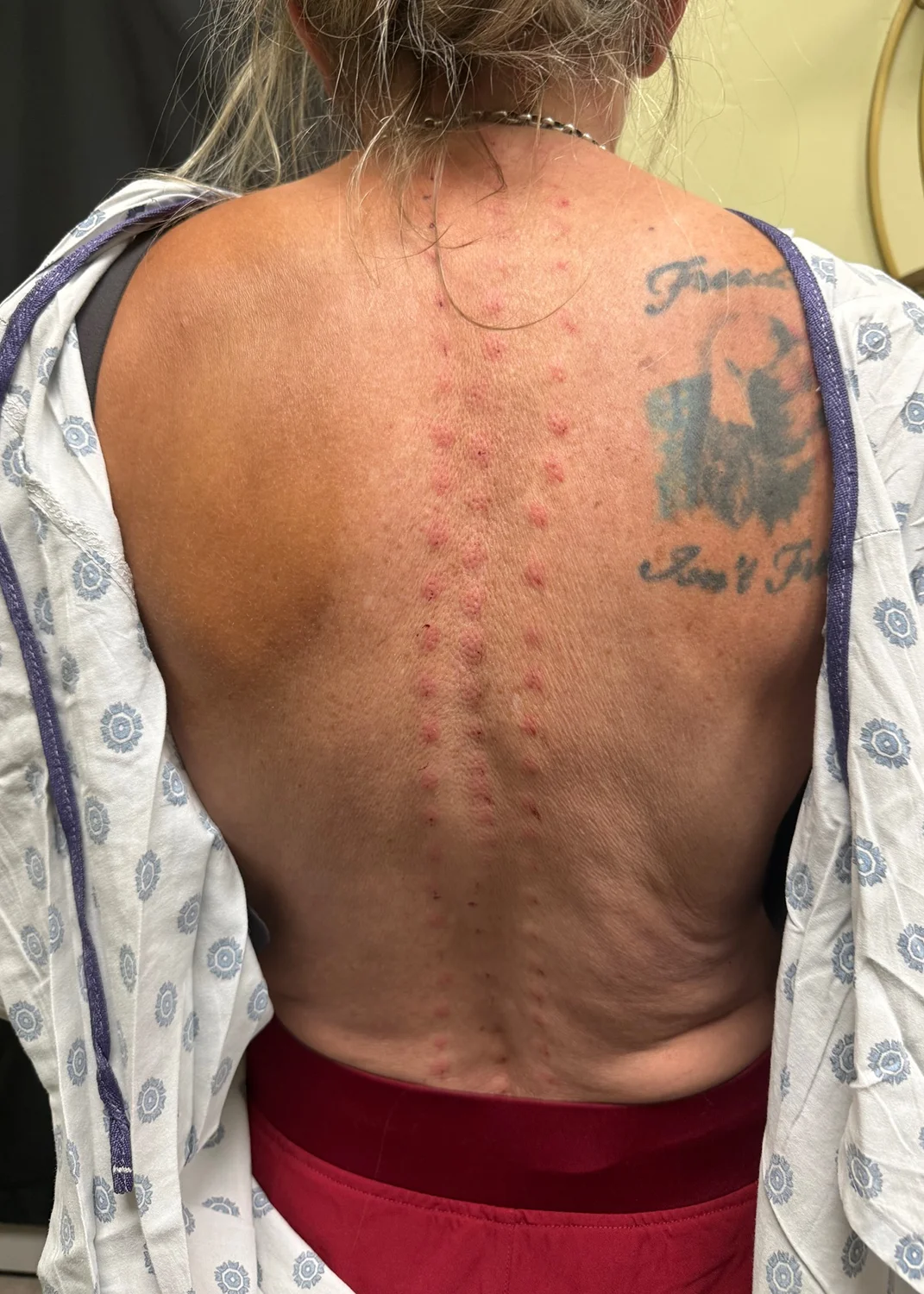
What Is Procaine Neural Therapy?
Neural therapy involves injecting small amounts of a local anesthetic, commonly procaine, into carefully selected areas of the body. Depending on the patient and the reason for treatment, these areas may include scars, trigger points, irritated tissues, or locations associated with specific nerve pathways.
Procaine temporarily affects nerve signaling in the treatment area. Neural therapy practitioners use this response with the goal of addressing patterns of irritation or dysfunction that may be contributing to persistent symptoms.
Although neural therapy has been used in parts of Europe and other countries for decades, many patients in the United States are still unfamiliar with it. Research into its potential applications is ongoing, and treatment results can vary considerably from one person to another.
Why Is Procaine Used?
Procaine is a short-acting local anesthetic. It temporarily reduces nerve activity in the area where it is injected and is then broken down relatively quickly by the body.
In neural therapy, procaine is not used solely to numb a painful area. The broader objective is to influence abnormal or overactive nerve signaling that may be associated with pain, sensitivity, or other persistent symptoms.
Understanding the Autonomic Nervous System
The autonomic nervous system controls many processes that happen without conscious effort, including heart rate, blood pressure, digestion, breathing patterns, body temperature, perspiration, and the physical response to stress.
Two of its primary divisions are commonly described as the sympathetic and parasympathetic nervous systems. The sympathetic nervous system prepares the body to respond to a perceived threat—the familiar “fight-or-flight” response. The parasympathetic nervous system supports functions associated with rest, digestion, and recovery.
Both responses are normal and necessary. Problems may arise, however, when the body repeatedly or persistently reacts as though it is under threat. Chronic stress, pain, injury, or trauma may contribute to ongoing muscle tension, sleep disruption, digestive changes, a racing heartbeat, or feelings of uneasiness.
Neural therapy is sometimes used in integrative medicine with the goal of influencing nerve signals involved in these responses. It should not, however, be considered a replacement for appropriate medical or mental-health care.
How May Neural Therapy Be Used for Chronic Pain?
Chronic pain is pain that lasts beyond the expected healing period or continues for several months. It may develop after an injury, surgery, illness, or repetitive strain. In other cases, its cause is less clear.
Pain is not created solely by damaged tissue. It also involves communication among nerves, the spinal cord, and the brain. Over time, the nervous system may become more sensitive to signals from an injured or previously injured area.
Procaine neural therapy may be considered as part of an individualized care plan for certain types of persistent discomfort. Treatment may focus on:
Potential Treatment Areas
- Painful or sensitive scars
- Localized trigger points
- Areas of muscle tension
Other Areas Considered
- Sites of previous injury
- Irritated peripheral nerves
- Persistent pain patterns not fully responsive to other approaches
The location of an injection is selected after a medical evaluation. It may not always be placed directly where the patient feels pain because nearby scars, nerve pathways, or other areas may also be considered.
Can Scars Affect Nerve Sensitivity?
A scar is the body’s natural way of repairing damaged skin and tissue. Most scars heal without causing ongoing problems, but some remain painful, numb, tight, itchy, or unusually sensitive.
Surgery, accidents, burns, and other injuries can affect small nerves within or surrounding scar tissue. This may produce tenderness, burning, tingling, tightness, itching, numbness, or pain when the scar is touched or stretched.
In neural therapy, procaine may be injected into or around certain scars when a provider believes local nerve irritation may be contributing to symptoms. Not every scar requires treatment, and the presence of a scar does not necessarily mean it is responsible for pain elsewhere in the body. A provider must evaluate the scar, symptoms, and medical history before recommending treatment.
Neural Therapy, Stress, and Anxiety Symptoms
Stress and anxiety can produce real physical responses. A person may notice muscle tension, restlessness, a racing heart, digestive discomfort, shallow breathing, difficulty sleeping, or a persistent feeling of being on alert.
Because the autonomic nervous system plays an important role in the physical stress response, some neural therapy techniques are intended to influence areas associated with sympathetic nerve activity. The proposed goal is to reduce excessive nerve signaling and help the body move away from a persistent fight-or-flight state.
The evidence supporting neural therapy specifically for anxiety remains limited, and individual responses vary. It should not be presented as a cure for anxiety or as a substitute for counseling, medication, psychiatric care, or emergency mental-health treatment.
Instead, neural therapy may be discussed with a qualified provider as a possible complementary option for certain physical symptoms associated with stress or nervous-system activation.
What Happens During a Neural Therapy Appointment?
The first step is a consultation. Your provider will ask about your current symptoms, previous injuries, surgeries, scars, health history, medications, allergies, and other treatments you have tried.
If neural therapy is appropriate, the general process may include:
- Identifying the proposed treatment area
- Cleaning and preparing the skin
- Administering a small amount of procaine with a fine needle
- Monitoring your immediate response
- Providing instructions for care after the appointment
- Scheduling follow-up when appropriate
The number and location of injections depend on the reason for treatment. Some patients may receive an injection near a scar or trigger point, while other techniques involve different anatomical locations.
Patients should ask which technique is being recommended, why that location was selected, what sensations to expect, and what risks are associated with the procedure.
What Does a Procaine Injection Feel Like?
Individual experiences vary. A patient may feel a brief pinch, pressure, stinging, or temporary numbness near the injection site. The degree of discomfort may depend on the area being treated, the number of injections, and personal sensitivity.
Temporary redness, tenderness, bruising, or swelling may occur afterward. Your provider will explain which reactions are expected and which symptoms should prompt a call to the office.
How Many Neural Therapy Sessions Are Needed?
There is no universal treatment schedule. Some patients may notice a change after one appointment, while others may require a series of treatments or may not experience the desired response.
The recommended number of sessions can depend on how long symptoms have been present, the type and location of symptoms, the treatment technique used, previous injuries or surgeries, the patient’s overall health, and the response to the initial treatment.
Your provider should reassess your progress rather than continuing treatment automatically. If symptoms persist, worsen, or change, additional evaluation may be necessary.
Is Procaine Neural Therapy Safe?
Neural therapy is generally considered minimally invasive, but every injection-based procedure has potential risks.
Possible Side Effects
- Temporary pain or burning
- Redness, bruising, or swelling
- Bleeding or infection
- Dizziness or lightheadedness
Other Potential Risks
- Temporary numbness
- An allergic or adverse reaction
- Injury to nearby nerves, blood vessels, or other structures
The specific risks depend partly on where the injection is administered. Some injection locations require additional training and carry greater risks than a superficial scar or trigger-point injection.
Patients should provide a complete medical and medication history, including allergies, pregnancy status, blood-thinning medications, previous reactions to anesthetics, and relevant health conditions.
Who May Not Be a Candidate?
Neural therapy may not be recommended for everyone. A provider may advise against or postpone treatment based on factors such as:
- Allergy or sensitivity to procaine or related anesthetics
- Active infection near the proposed injection site
- Certain bleeding or clotting concerns
- Use of blood-thinning medication
- Pregnancy
- Particular neurological or cardiovascular conditions
- A medical condition requiring a different form of treatment
This is not a complete list. An individualized medical evaluation is necessary before treatment.
Neural Therapy in Centralia, Chehalis, and Lewis County
Better Body Healing provides procaine neural therapy consultations at our Centralia office. Our providers take time to understand your symptoms, previous treatments, medical history, and personal goals before recommending care.
Schedule a ConsultationFrequently Asked Questions About Procaine Neural Therapy
Is neural therapy the same as a nerve block?
The treatments may both involve local anesthetics, but they are not necessarily the same. A conventional nerve block typically targets a particular nerve or group of nerves to interrupt pain signals. Neural therapy may involve smaller injections into scars, trigger points, or other selected areas with a broader goal of influencing nerve and autonomic nervous-system activity.
Is neural therapy the same as trigger-point therapy?
No, although there can be some overlap. Trigger-point injections usually target tight or painful areas within muscle. Neural therapy may also address scars, superficial tissues, nerve pathways, or other locations selected during an evaluation.
Can neural therapy treat scar tissue?
Neural therapy may be considered when a scar remains painful, tight, itchy, numb, or sensitive. It does not remove the scar, but procaine injections may be used to address irritation in or around the area. Not every scar is appropriate for treatment.
Is there downtime after neural therapy?
Downtime depends on the injection site, treatment technique, and individual response. Some patients return to normal activities relatively quickly, while others may be advised to avoid strenuous activity for a period after treatment. Follow the instructions provided by your healthcare provider.
How quickly might I notice a response?
Some patients report a change relatively soon after treatment, while others notice gradual changes or no meaningful response. The duration and extent of any improvement vary, and results cannot be guaranteed.
Can neural therapy cure anxiety?
Neural therapy should not be described as a cure for anxiety. It may be explored as a complementary approach for certain physical symptoms associated with stress or autonomic nervous-system activation. It does not replace care from a qualified mental-health professional.
Can neural therapy be combined with other treatments?
In some cases, neural therapy may be incorporated into a broader care plan. Tell your provider about all medications, injections, physical therapies, supplements, and mental-health treatments you currently receive so your care can be coordinated safely.
Where can I find procaine neural therapy near Chehalis?
Better Body Healing offers procaine neural therapy at 1624 S. Gold Street in Centralia, Washington. The office is conveniently located for patients traveling from Chehalis and other Lewis County communities.
Medical disclaimer: This information is for educational purposes only and is not a substitute for diagnosis or treatment from a qualified healthcare professional. Treatment suitability, risks, and results vary by patient. Individual results are not guaranteed.